
Bad photographs from an overcast afternoon
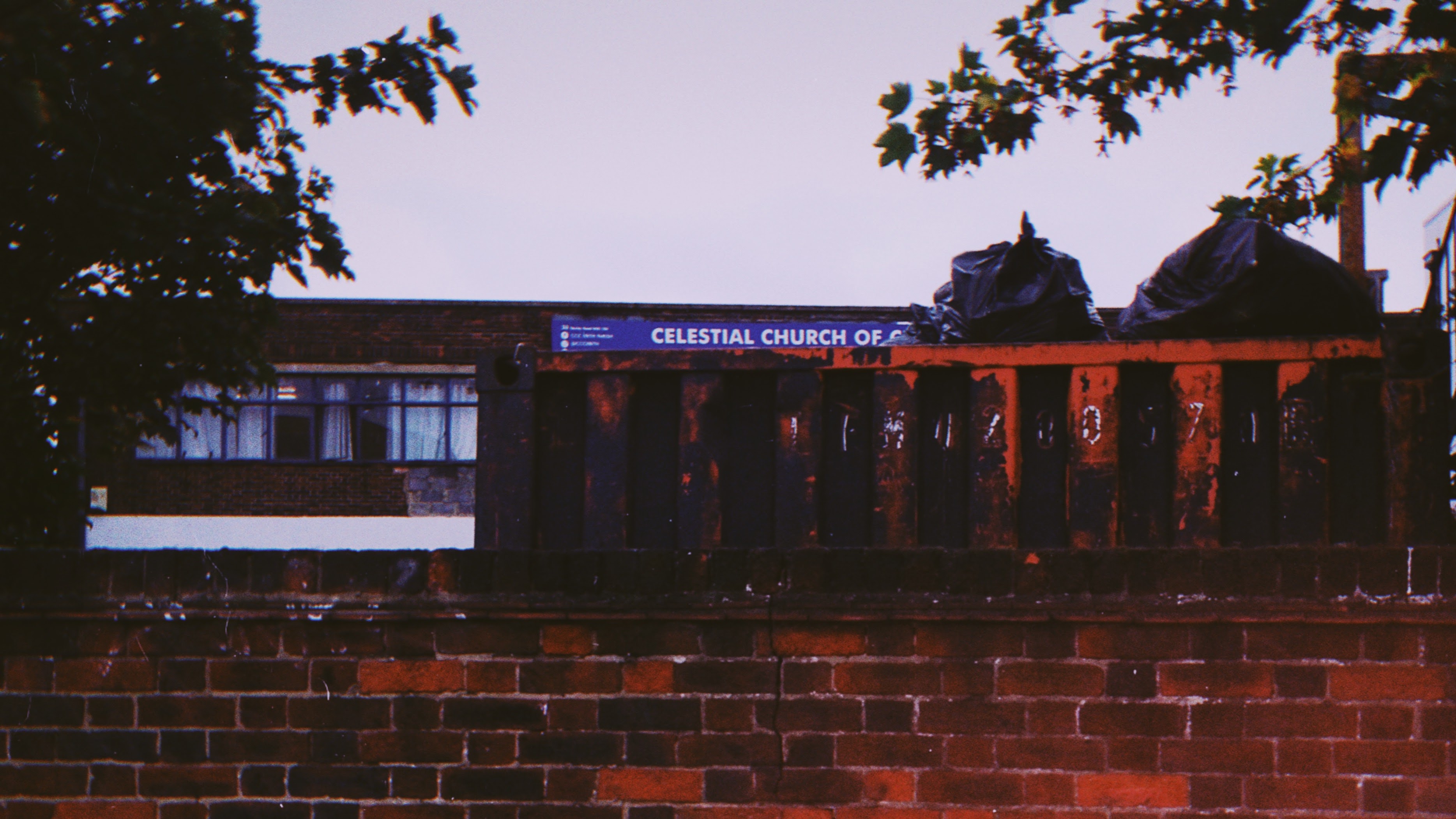
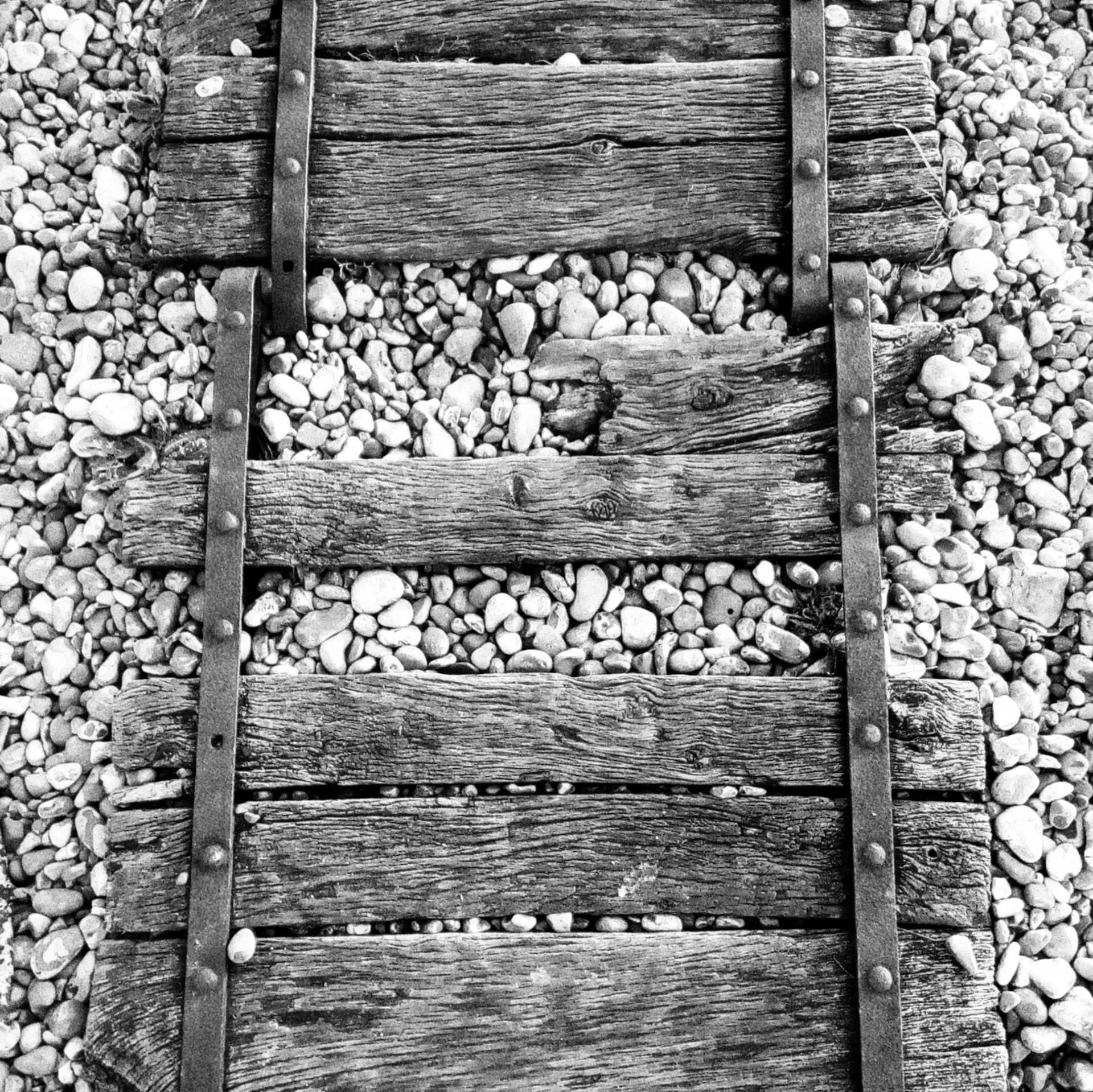
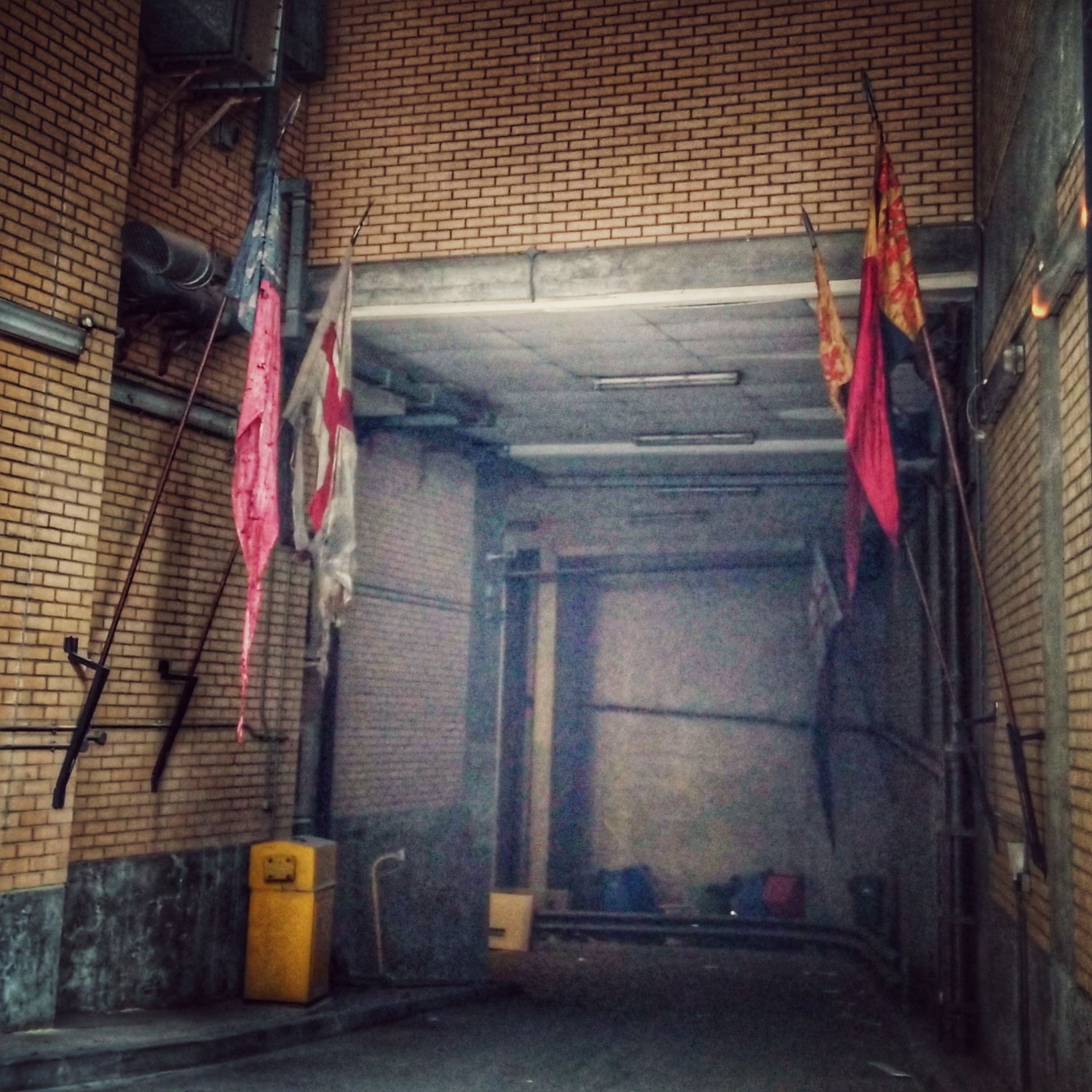
I had some time to kill waiting for a bus and so had a little play with the Nomo Cam app. The app replicates old camera styles and I stuck to one of the free ones on offer, that essentially has the look and feel of an old disposable film camera.
There’s a double nostalgia to these kinds of apps and these kinds of photos. They look like old photos, so they jog a memory there. And I think they also, more directly, look like a memory – slightly blurred, ill-focused but still familiar. Or perhaps I have been so influenced by photographs taken on cheap film cameras as a primary document of my past that my brain has rewired itself to see all memories that way, or at least recognise these kinds of photos as a kind of memory?
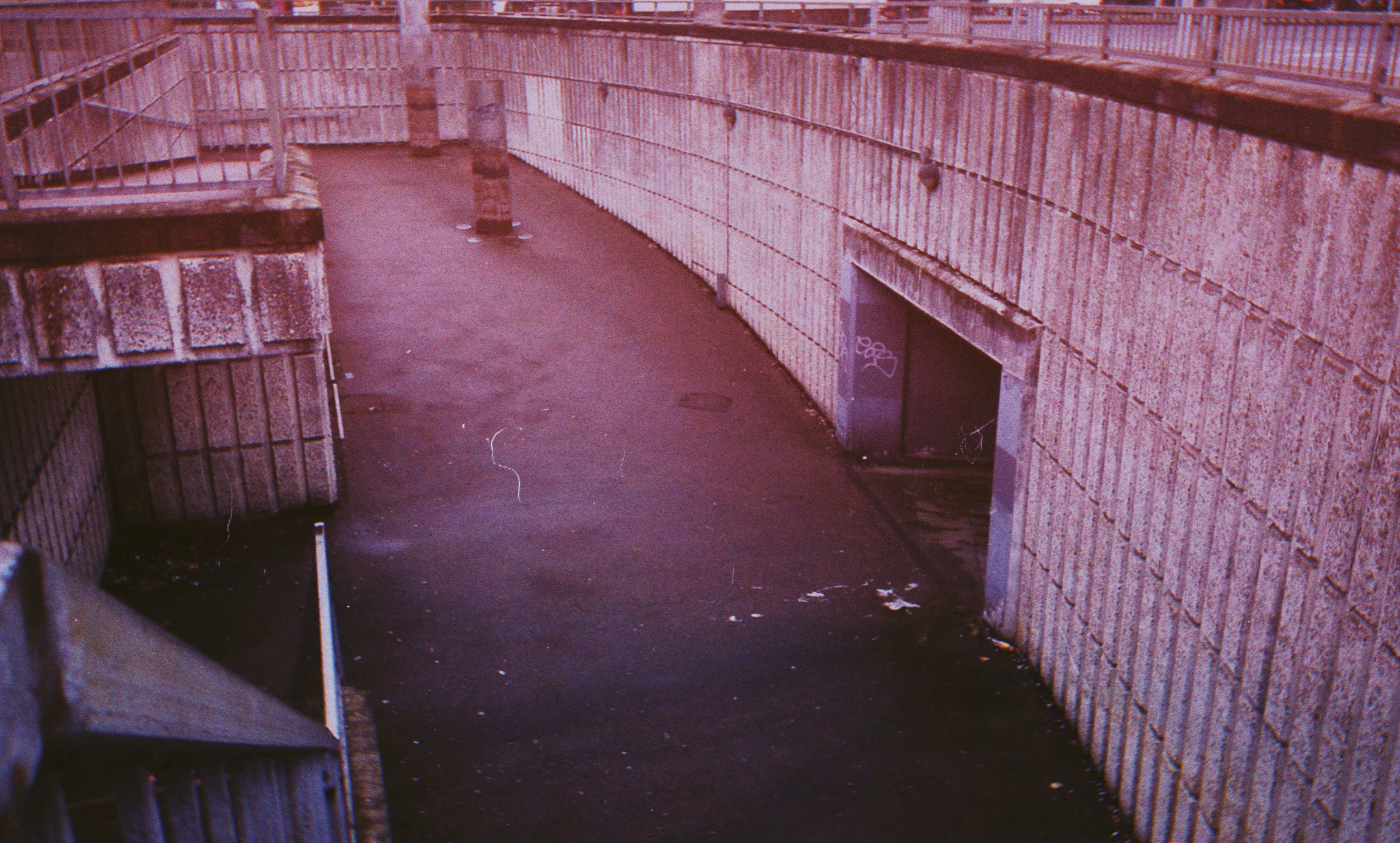
I feel like all of this then influences the kinds of shots to take with this kind of app (or this kind of film, if you still have it). It seems to make sense to take photos of scenes that are relatively timeless, or of things that were about when these kinds of cameras were popular. It is almost like recreating the past. A more modern scene would be jarring, awkward…although maybe it would be an interesting exercise to see that kind of juxtaposition between old tech and new subject, to see if they play off each other in interesting ways, or just look like a corny Instagram filter.
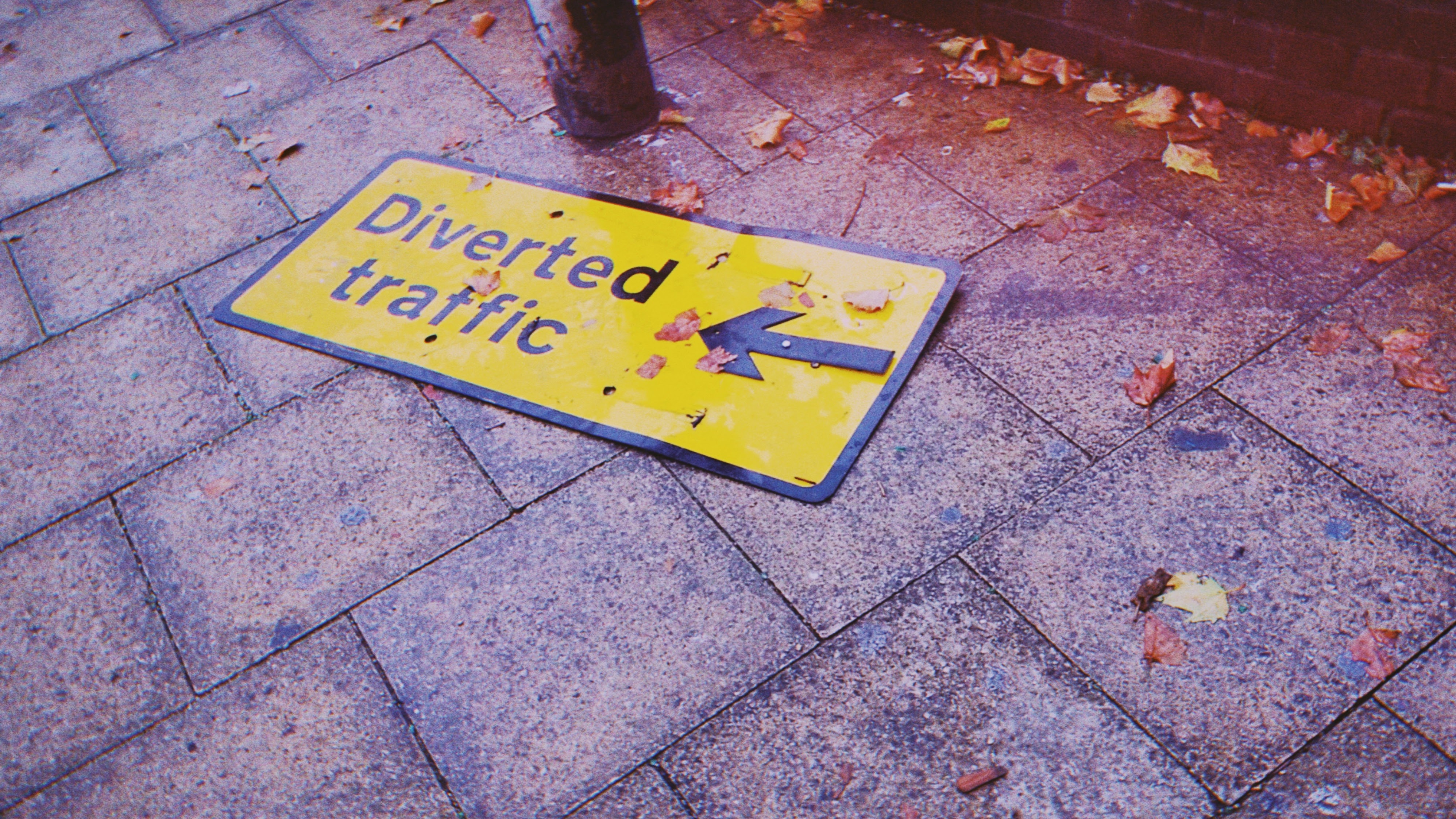
I couldn’t properly see my screen when taking the photos, as the light reflected off it. This was initially frustrating, but then I thought it was entirely apt. You would have to wait to get the film developed in the past, and so only really seeing my photos once I was home felt like a sped-up version of that. I stopped overthinking what I was doing. I could also tidy up the shots later.

I enjoy these kinds of apps as I’m no great photographer and my phone camera is even worse. And these kinds of things help me to create something novel despite those limitations. It’s a great way to create something quickly, and to then contemplate the act of creation more generally – that art is so often a consequence of its tools and its context.

 Wait until next year