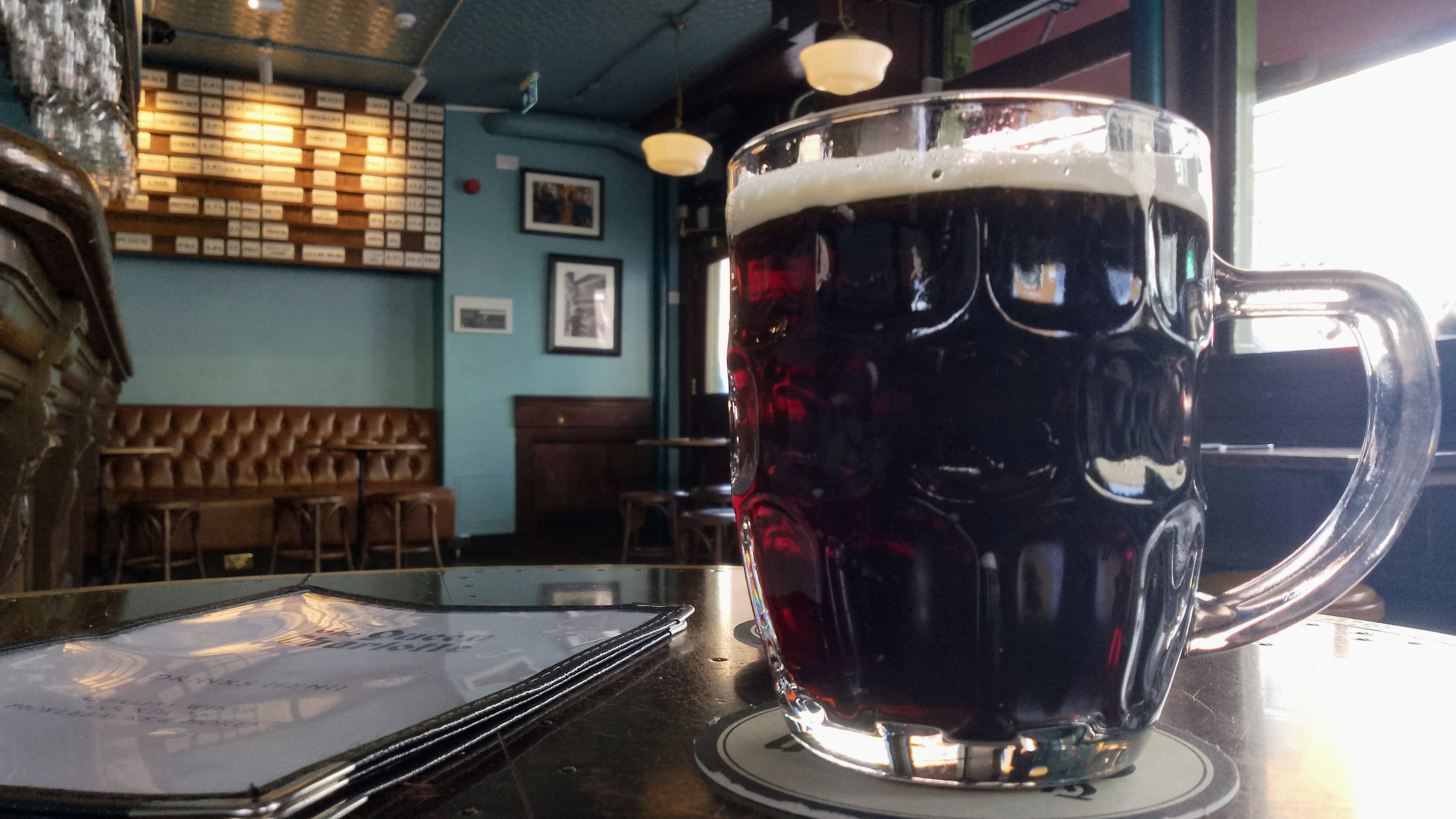
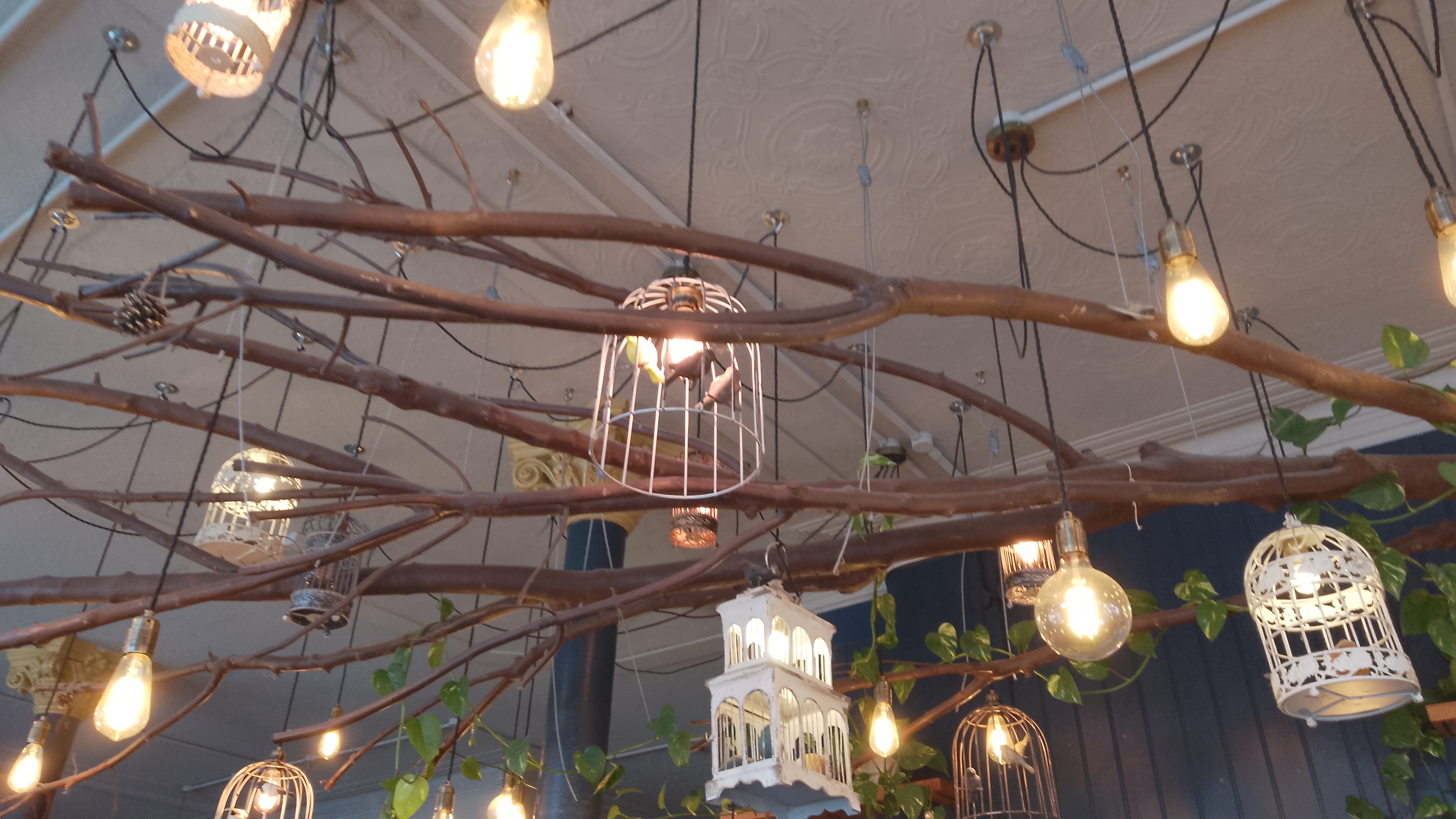
We were in the William the Conqueror at Rye Harbour last weekend. We went in at teatime Saturday after a stroll around the nearby nature reserve and it was a reminder that a long walk is improved immeasurably by a good destination. The place was cosy, calmly lit and while not too busy it wasn’t too empty either. The kind of place to rest weary bones and enjoy the post-windchill glow of cheeks.
It’s a funny old place in the sense that a lot of its business happens during the day, and so by teatime things are winding down, whereas in most pubs this would be around the time things start picking up for the evening. But it made for a nice refuge – the daytrippers and dog walkers had gone and there were just a few of us hardy souls still out here at the last pub before the sea. I like a pub that feels like an outpost. The last call of civilisation before the wilds of nature take over.
I had one of their last bottles of Shepherd Neame’s Christmas Ale. I can take or leave SN’s beer but their bottled ales are almost always worth a go. It was pretty strong but packed full of malty and spicy flavour. Best to only have the one, I think.
The other night back home and another trip to the Local Unfashionable Pub we went to last week where we got a warm welcome despite being far from regulars. It’s those little things that make a difference and help you to overlook any pub’s shortcomings. Give me a friendly pub over a quote-unquote “good” pub any day. The 6X was a nice surprise too, the kind of boring brown bitter that is still worth championing.
The place soon filled up with the Tuesday cribbage club. It seems to be the case that Tuesday night is cribbage night in this neck of the woods, or at least that’s how it appears from seeing it in one or two other places too. This lot looked more like the pros though, displaying a trophy and everything. The place would have been practically empty without them, and it was good to see some frankly pretty elderly people out down the pub of an evening. While I’m not a big fan of pub games, if it brings more people in I’m all for it, and if it brings in different kinds of people then all the better.
Friday afternoon, and the local town centre Spoons was rammed. In some ways it benefits from being the only pub next to the shopping mall. But I think it also benefits from not only being the cheapest place for a pint, but also the cheapest place for a coffee, or a meal. All things to all men and women. The real ale is generally disappointing, despite the local CAMRA regularly voting it in the Guide – I suspect a case of never mind the quality, feel the width. There’s lots of choice, it’s just not that well kept. I went for one of the keg craft offerings, Mad Squirrel Sumo and it was incredibly murky. I feel like we’ve gone past the craft murk craze now and this felt almost…old-fashioned?
Last week and I was in a pub in Central London and it was packed. It was packed, but it wasn’t busy, which I appreciate probably doesn’t make much sense. There weren’t that many people there, especially for the Thursday night after-work drink slot. There were empty tables. There was room outside to enjoy the early Autumn evening sunshine. Back at the bar it was packed, uncomfortably so.
There were plenty of staff, but there were loads of people crammed around the bar. It was hard enough to navigate past, let alone to get a drink. And those who were successful getting served were then faced with a mass of humanity to navigate past with their drinks. It didn’t seem the ideal set-up.
Meanwhile, I’ve noticed this year that there’s been lots of grumbling around people queuing in pubs. Pubs and breweries are closing, the economy is making a night out a luxury rather than a routine, and yet people lining up for a drink appears to raise far more ire amongst a certain kind of pub-goer.
But…dare I say it…I think queues in pubs are fine…and sometimes even good?
I’m not quite sure why queues are such an issue. They can be annoying if they wind around seating areas, but then a scrum at the bar can be just as irritating and intrusive. A long bar might be wasted with a queue, but not if there’s only one or two bar staff working behind it. Crowd control is part of the art of running a pub, and a queue can work just as as well as anything else. If people like going to the bar (as opposed to getting table service) then surely their main focus is on getting them served as quickly as possible, rather than focusing on the formation in which they stand?
Queues guarantee that people are served in the order they arrived. As much as staff should be able to clock who is next, they have enough to do without keeping tabs on that. There are the bar-blockers who think that if they are standing at the bar then that means they should be served-on-demand no matter who else is waiting. There are the entitled regulars who think they have a fast pass to their usual. Then there are just the confident, the tall and the selfish. It is an unnecessary minefield for staff and drinkers alike.
Ultimately, I can see queues as a helpful tool, especially during busy periods, as the reality is many people will just not behave in pubs, and the current system benefits some people more than others. Pubs should be spaces for all, not just for those more able to navigate them.
In many pubs if you are white, male, able-bodied and known by the staff you have a significantly better chance of getting served than if you are none of those things. And considering pubs have traditionally not exactly been the most welcoming of places to those who aren’t white, male and able-bodied and are closing at a rapidly escalating rate you would think it would be in their interests (and in the interests of all pub regulars) to make it easier for the widest possible demographic to actually spend money in a pub.
My suspicion is the most vehement opponents of pub queues have simply never had an issue getting served themselves. And perhaps they might benefit from showing some empathy towards the kinds of people who regularly find it difficult, either getting jostled out the way, or overlooked by bar staff, or simply feeling uncomfortable in that kind of environment.
Pubs can be intimidating places, and getting served can be a big part of that. Some of the biggest issues I’ve had in pubs have involved people getting aggressive at the bar over who should be served next, or encountering problems from all the pushing and shoving on the way to and from the bar. I’m fortunate enough to feel reasonably comfortable handling all that, but I wouldn’t expect everyone to be.
Pubs need to adapt, and if the current system isn’t working then people will adapt themselves – most queues are spontaneous, not mandated. The economics of drinking mean a trip to the pub is more of a financial commitment than it has ever been. And if people are having to fight their way to pay a premium for a pint, they will soon look elsewhere to spend their hard-earned and rapidly diminishing cash.
The queue is egalitarian and deeply British. It’s not the answer in every pub. But in many pubs it just might be.
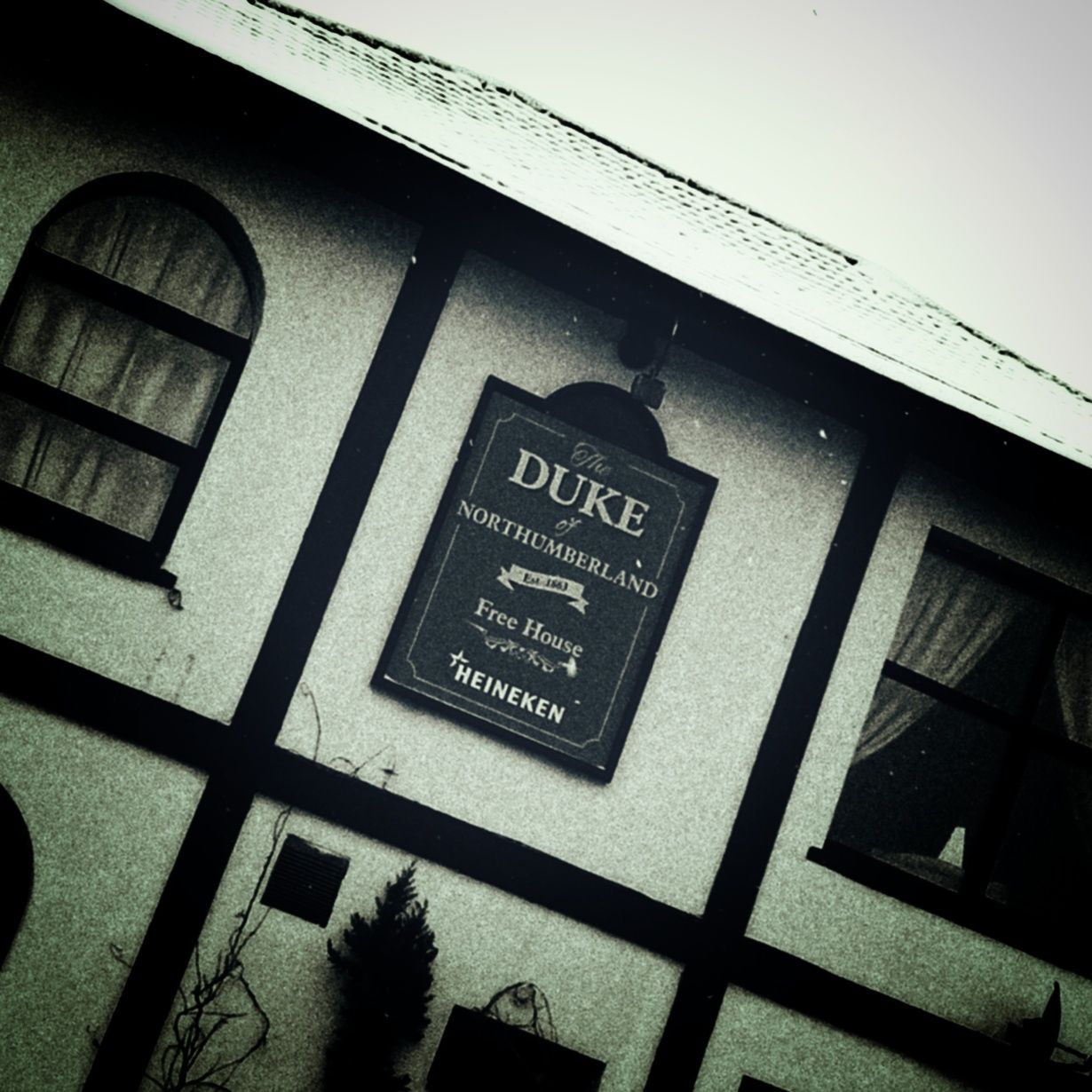
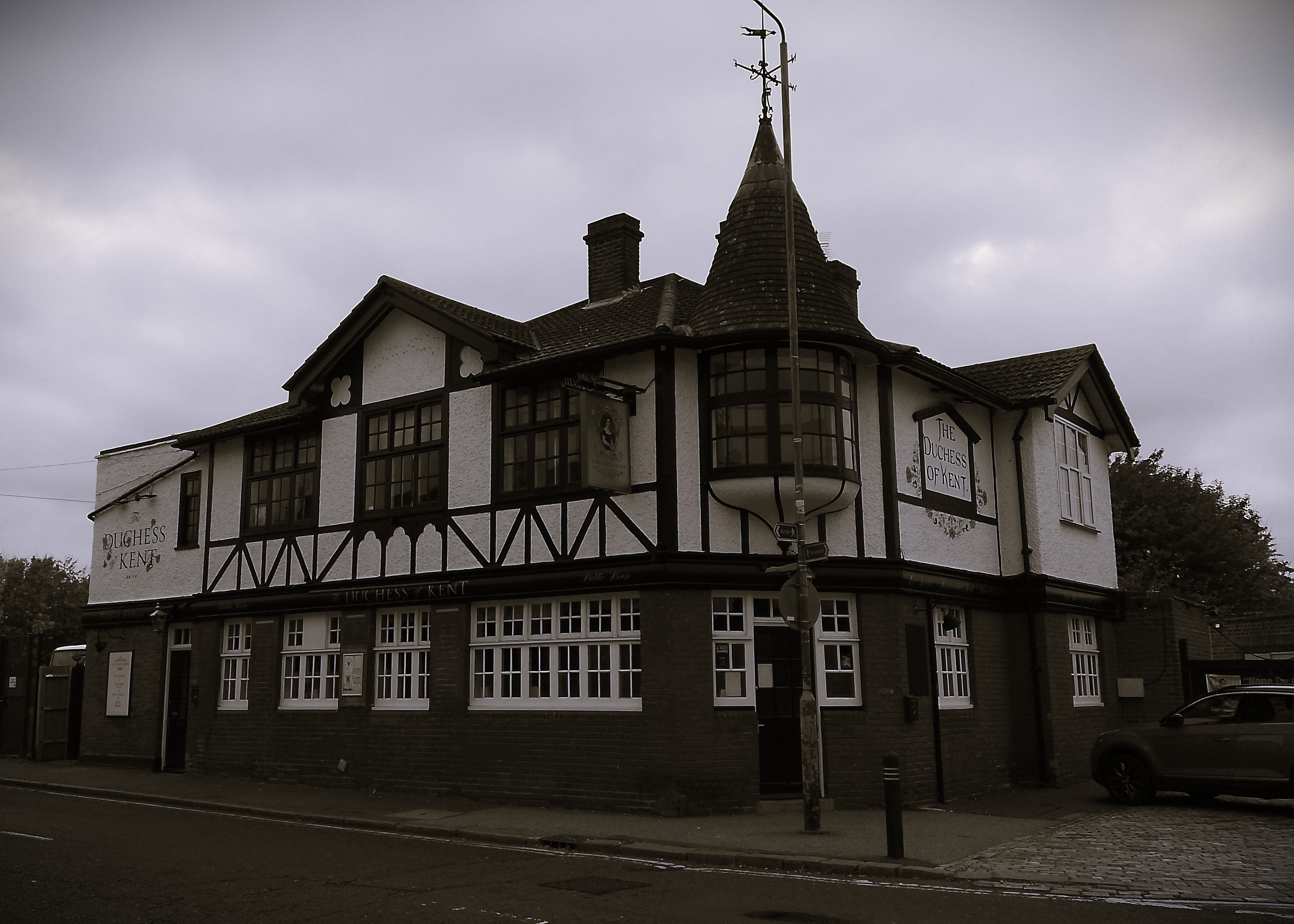
The Royal Oak is massive. It’s local, and that’s important, but the first thing to mention is it’s massive. There are three bars in an age where even two bars is a rarity – The Poolroom Bar, The Bar That Always Has The Racing On, and The Main Bar That’s Out The Back. Well, that’s what I call them, anyway. It’s massive, it’s local, and it’s old. The current building dates to 1930-odd, but there’s been a pub on the site for a lot longer, nobody really knows how long. Pubs are often considered part of the fabric of the community, but this pub really is – it was here when this part of outer London suburbia was literally all fields. You can’t really talk about the history of this part of the world, Northumberland Heath in the Borough of Bexley, without at least giving a nod to the Royal Oak.
So, it’s local. I think you have to situate every pub in its environment. It sits in what many would consider a nondescript part of London, right on the outskirts, certainly far from gentrification, a place sort of in a bind over whether it is actually even in London or really in the neighbouring county of Kent – a recurring subject for some of the most fervent and misguided discussion you’ll ever see on a Local Facebook page (the real answer is “Once was Kent, until London swallowed it up in the mid-1960s”). It is an area that wasn’t particularly well-populated until a century ago, when the builders swooped in and built lots and lots of suburban streets. My view (one I may, or may not, expand on one day) is the whole area is an area of immigrants, and a whole lot better for it. It is just that some people don’t see things how I do, that you can immigrate from Bermondsey just as much as you can from Nigeria or Poland. There aren’t many people who can go back several generations and find their ancestors lived around here. We’re all from somewhere else.
It is also an area where people love a good pub, and that for many years didn’t have many to actually love. A whole lot of old boozers for Locals and Locals Only, a fair few others with shoddy beer, even more shoddily kept, and then a few chain places that were…fine. There was the odd glimpse of What Pubs Can Be – the Robin Hood and Little John in Bexleyheath was, and is, a great pub – a little country pub dropped on a suburban street, a place that had to be excluded from the local CAMRA’s Pub of the Year voting as it kept winning, if I remember rightly.
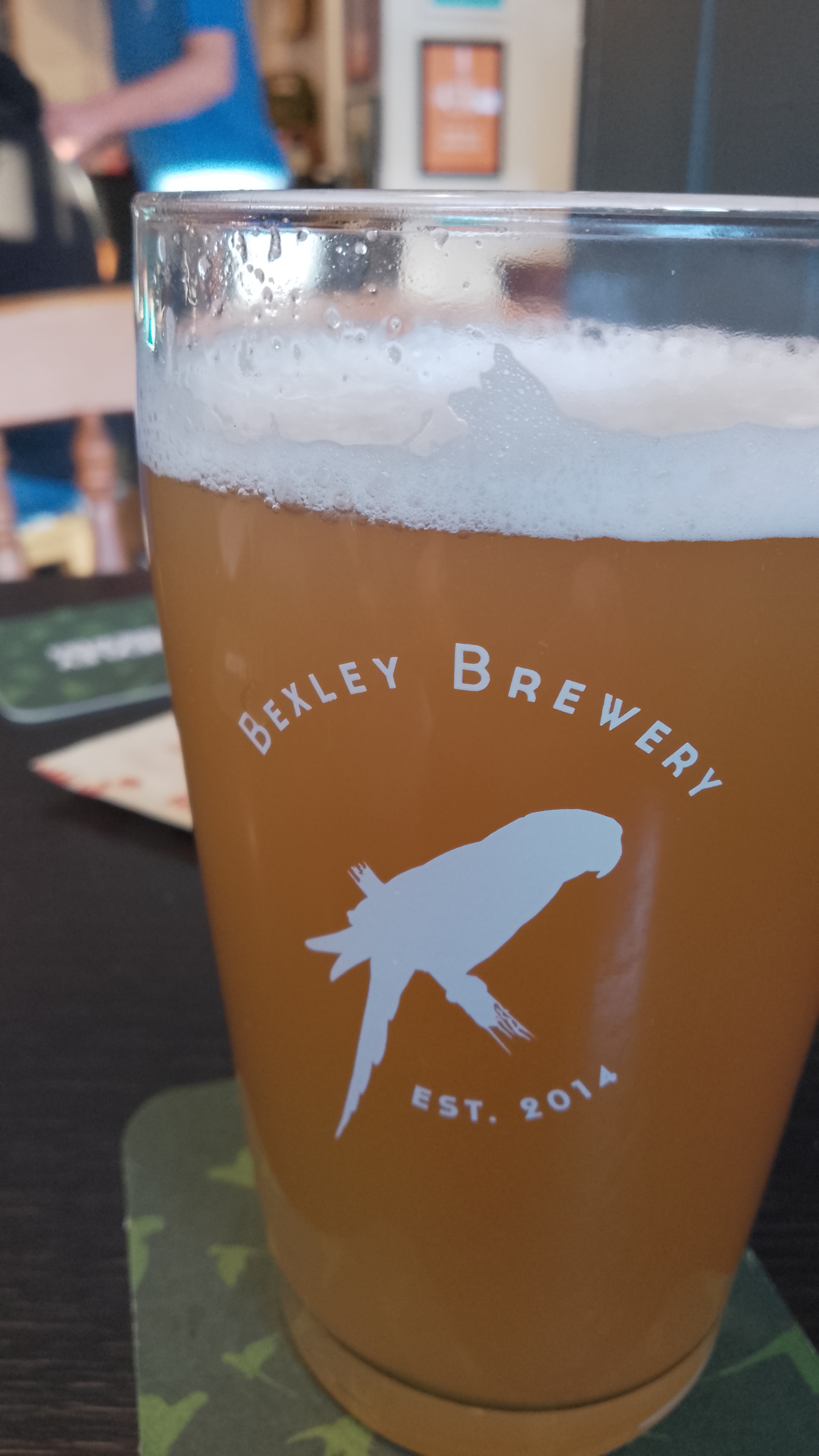
So, a lot of people who loved pubs, but not many places that deserved that love, until the micropub revolution hit the area. In many ways Bexley was the perfect place for micropubs. The clientele were there, waiting, thirstily. There were plenty of empty shops ideal for conversion. And a wonderful local brewery emerging, Bexley Brewery, to provide the beer for those who wanted to serve something local. Down the road from the Royal Oak is the Bird and Barrel (Bexley’s Brewery’s taproom, essentially, although they serve far more than just their own beers), a genuinely special place and a real community hub. It’s not too far to venture to the Long Haul, the Kentish Belle, the Hackney Carriage, the Door Hinge and more. Bexley suddenly had a whole wealth of good places to drink, places with good beer, good company and welcoming staff. But there was still room for the old pubs to step up.
Old pubs like the Royal Oak. A place that was local, A Local.
I remember stepping in there for the first time way back in the last century, as somewhere identified as a good candidate for an underage pint. I got a Guinness with another lad. Then the rest of the bunch we were with filed in, knowing we’d been served…and just sat down without ordering anything. Rightly, understandably, the barman came over and asked us to leave. I asked him if I could finish my Guinness first and he said Yes. A true gentleman.
Until this year I think I’d only stepped back in there a handful of times. It was massive (had I mentioned that?) and a bit overwhelming. What bar were you meant to go in? Did that heavy door even work? It wasn’t especially welcoming, there wasn’t anything decent to drink and it generally felt like a pub that perhaps wasn’t for me, which was a shame, but fine. There’s always somewhere else to go.
Hazel, the manager, has written brilliantly about the realities of taking a pub on (as an actual proper journalist, that is no surprise, but it feels like a real luxury having someone so eloquent covering this kind of subject matter – a proper peek behind the curtain of what it really means to run a pub). And popping in from time to time over the last few months it has been clear that the pub is really changing for the better – a more welcoming place, with much better beer (cask back on, and good cask, well kept!), yet still true to its roots as a massive, local (capital L-Local?) pub.
It’s easy to pop into a tired pub and say it has potential, but Hazel has actually done something about it, spearheading a refurbishment inside and out – from sorting out a run-down outer building and car park to giving a very sensitive makeover inside. It is a refurbishment that feels very much in step with what I think is maybe Hazel’s philosophy to running a pub – it is sympathetic to the history of the building, a restoration rather than a refurbishment really, keeping the spirit of the place, or maybe even re-igniting it, but also making it feel like somewhere that is opening its arms to the community, the whole community. Somewhere we can all feel welcome, feel like we belong. But still fundamentally, to its very core, a Proper Boozer. And a pub that’s aware that for Proper Boozers to survive they need to be both sensitive to their past, conscious of the present and optimistic about the future.
The old wood panelling inside had been revarnished, the old tat on the walls removed, the ancient carpet replaced (but with a proper pub carpet!), the paintwork doesn’t feel too modern, but in keeping with the building. A modern pub doesn’t need to have a load of exposed brick, or grey walls, or a tiled bank of craft keg taps. It just needs to look like it cares. The pub is now not just for the Regulars, but is very deliberately a place for whoever wants to cross the threshold, wherever they are from, whoever they are. And there is more on the way – a new garden, food, a community focus. It has gone from a tired relic to a real, living community space, a Public House in a very modern yet very real sense.
We need Public Houses more than ever, in our increasingly atomised and oppositional society. We need places where we can all feel like we belong, where we can escape, where we take a moment to ourselves or have a chat with others. Places to see for ourselves that we’re not all that different after all, despite what the media and politicians would like us to believe. Bexley has been fortunate to gain these kinds of places with its micropubs, and now it has a Proper Boozer taking up that mantle too.
It is a pub that finally looks like it is proud of itself, and is worth taking pride in. And for pubs to survive they need to evolve in this way, to broaden their welcome while still being true to what makes pubs amazing. And that takes some real bravery – to make people welcome but to also stop the regulars making people feel unwelcome, or to take on a refurbishment of a building that won’t yield easily to such treatment. Communities need pubs, but pubs need communities too.
Seeing the Royal Oak refurbished, restored, I felt a little choked up. I felt a real connection to the past. I looked at the old signage and wondered how many people had looked at them in the years gone by. All those people who had sat here and had a pint, over the last century or so. Here was a place countless people have loved, laughed, cried, taken refuge. And here was a place that will do all that and more for future generations. Hazel and her team are doing something very important here. They are preserving the legacy of the pub, and creating their own too.
I guess we all have comfort foods, those meals or snacks that we return to when we’re not feeling good, or need soothing and calming. Trying to look at it objectively, it seems a little odd for us to turn to what is essentially fuel. Why would we seek solace there? I guess it is because food is so wrapped up in our everyday experiences and our memories. Our days are framed around meals. So, if that framework is nice and familiar, it will hopefully offer some comfort. Read the rest of this entry »
I never used to like coffee. As a kid I was far more inclined to have a glass of orange squash or, if I was lucky, a can of carbonated pop. As I got older I tried coffee more, but it quite often left me a jittery mess. And once I was old enough to drink alcohol, I struggled to understand why anyone would spend as much on a cup of coffee as they would on a pint of beer. Read the rest of this entry »